Septic services in Texas
A tank that is due for pumping, slow drains and gurgling pipes, odors in the yard, wet spots over the drain field or an alarm that will not stop: tell us what is happening. We will arrange a visit to locate and check the system, then a clear written plan — no package prices, no sales script.

How we work
- Send the form with your town, property type and what is happening.
- We get back to you to talk it through and arrange a visit.
- The tank and drain field are located and checked, and you receive a written scope and estimate to approve.
- Pumping, repair or replacement work to the agreed scope, with notes for your records.
Septic services
From routine pumping to a new drain field — what we help with.
Septic tank pumping
Pumping out the tank, checking baffles and the effluent filter, and noting sludge and scum levels.
Septic system inspections
Locating and opening the tank, checking baffles, the distribution box and drain field, for routine checks or a home sale.
Septic system repair
Broken baffles, cracked lids, failed pumps and floats, blocked inlet or outlet pipes and damaged distribution boxes.
Drain field repair & replacement
Assessing wet spots, odors and slow drains in the drain field, and planning repair or a replacement field.
New septic system installation
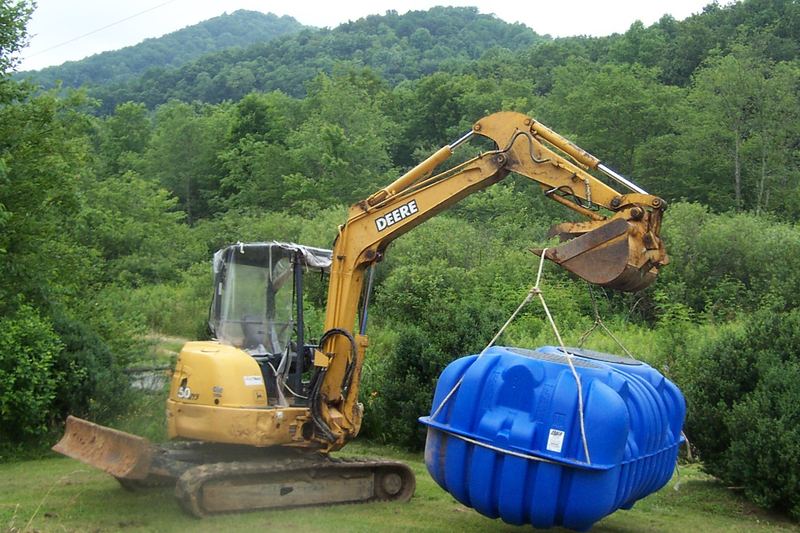
Septic systems for new homes and full system replacements, from site evaluation to final inspection.
Aerobic treatment unit service
Service and repair of aerobic treatment units: aerators, alarms, chlorinators and spray or drip heads.
Septic backups & alarms
Sewage backing up into drains, gurgling pipes, a high-water alarm or a tank that is overflowing.
Cities and counties we cover
Local pages for Houston area, San Antonio and Bexar County, Austin and Travis County, Denton County and more, with soils, groundwater, climate and the authorities that permit on-site systems.
Houston area
Houston area septic questions often come down to flat Gulf Coast clays, high water tables and many aerobic spr
San Antonio and Bexar County
San Antonio and Bexar County septic questions often come down to thin Hill Country soils over limestone and th
Austin and Travis County
Austin and Travis County septic questions often come down to Hill Country limestone, shallow soils and Lake Tr
Denton County
Denton County septic questions often come down to expansive Blackland and Cross Timbers soils on the fast-grow
Collin County
Collin County septic questions often come down to Blackland Prairie clays and acreage homes north of Dallas. T
Conroe and Montgomery County
Conroe and Montgomery County septic questions often come down to piney-woods sandy loams, Lake Conroe homes an
New Braunfels and Comal County
New Braunfels and Comal County septic questions often come down to limestone hills, Canyon Lake and the Edward
Kerrville and Kerr County
Kerrville and Kerr County septic questions often come down to Guadalupe River headwaters, thin soils over lime
Waco and McLennan County
Waco and McLennan County septic questions often come down to Blackland clays, Brazos River bottoms and rural h
Tyler and Smith County
Tyler and Smith County septic questions often come down to East Texas sandy soils, pine forests and lake homes
Weatherford and Parker County
Weatherford and Parker County septic questions often come down to rocky Cross Timbers soils and fast-growing a
Galveston County
Galveston County septic questions often come down to coastal clays, high groundwater and hurricane flooding. T
Septic services across Texas
Homes off the sewer rely on a septic system every day, and most problems start quietly: a tank overdue for pumping, a broken baffle, or a drain field that is clogged or sitting in saturated soil. Texas Septic Tank Pro focuses on finding the cause and fixing it properly — in Houston area, San Antonio and Bexar County, Austin and Travis County, Denton County and throughout Texas.
Some systems only need pumping and a new filter or lid; others need a repaired drain field or a full replacement designed for the site. The visit decides, not a sales script.
Straight answers on cost
Costs depend on the type of system, its condition, the soil and access, and we explain them after the visit. Our cost guide lists the factors that drive the price.
Septic trouble now?
Cut water use, keep everyone away from any sewage, never open or enter a tank, then send us the form.
Request septic serviceQuick answers
How do I get help?
Send the request form with your town, property type and what is happening. It is open 24/7.
Do you check the system before quoting?
Yes. Tanks, soils and access differ from property to property, so the system is located and checked on site before a written estimate is given.
How often should a septic tank be pumped?
It depends on the size of the tank and the household. The US EPA suggests most household systems are inspected at least every three years and pumped every three to five years; the levels found at each visit are the best guide.
Are prices listed?
No. Estimates follow an on-site assessment.